
Scaffolding – Types, Safety, Components, Inspection & Training
Scaffolding is an essential temporary structure used in construction, maintenance, industrial projects and other work-at-height activities. It provides workers with safe access and working platforms at elevated locations.
However, scaffolding must be properly selected, erected, used, inspected, maintained and dismantled. Poorly installed or improperly inspected scaffolding can create serious fall, structural stability and falling-object hazards. Training therefore plays an important role in developing competent scaffolding professionals.
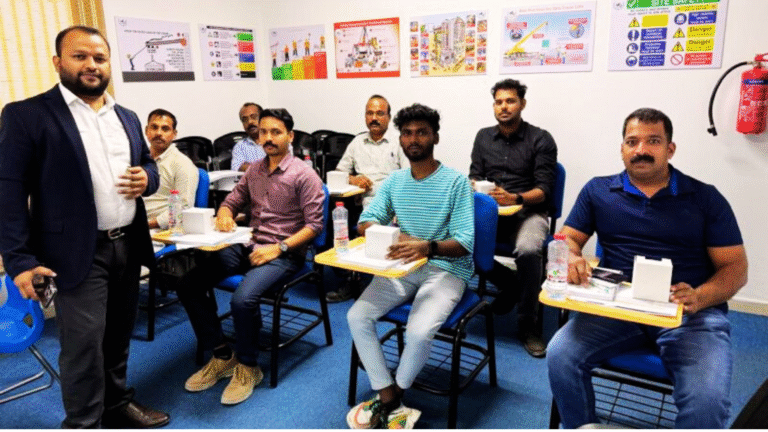
At M2Y Global Academy, we offer professional scaffolding training programs designed for individuals working in construction, HSE, safety, engineering and scaffolding operations.
Our scaffolding-related training includes:
- Certified Scaffolding Training
- Scaffolding Inspector Training
- Scaffolding Supervisor Training
Whether you are beginning your career in scaffolding or looking to improve your skills in inspection and supervision, the right training can help you develop practical knowledge and improve your professional opportunities.

What Is Scaffolding?
Scaffolding is a temporary structure assembled to provide safe access, working platforms and support for workers and materials during construction, maintenance, repair and other elevated work activities.
A typical scaffold may include components such as:
- Standards
- Ledgers
- Transoms
- Base plates
- Sole boards
- Braces
- Couplers and clamps
- Working platforms
- Guardrails
- Mid-rails
- Toe boards
- Access ladders
- Ties and anchors
The exact components and configuration depend on the type and application of the scaffold.
Why Is Scaffolding Safety Important?
Scaffolding is frequently used where workers are exposed to work-at-height hazards. Unsafe scaffolding can result from incorrect erection, inadequate foundations, missing bracing or ties, damaged components, unsafe platforms, overloading or insufficient inspection.
Proper scaffolding safety involves controlling risks throughout the complete lifecycle:
Planning → Selection → Erection → Inspection → Use → Modification → Dismantling
Training helps workers, supervisors and inspectors understand these responsibilities and identify unsafe conditions before they lead to incidents.
Types of Scaffolding
Different scaffolding systems are used depending on project requirements, height, access requirements, load requirements and working conditions.
1. Tube and Coupler Scaffolding
Tube and coupler scaffolding uses tubes connected using different types of couplers. It can be configured for a variety of construction and industrial applications.
2. Cuplock Scaffolding
Cuplock is a modular scaffolding system that uses specially designed connection points to assemble standards, ledgers and other components.
3. H-Frame Scaffolding
H-frame scaffolding consists of prefabricated frames that can be assembled to create working platforms and access systems.
4. Mobile Scaffolding
Mobile scaffolds are mounted on wheels or castors and can be moved when properly configured and used according to applicable requirements.
5. Tower Scaffolding
Tower scaffolding provides an elevated working platform and is commonly used for maintenance, construction and other work-at-height activities.
6. Suspended Scaffolding
Suspended scaffolds are supported from above and can be raised or lowered to provide access to elevated work locations.
7. Cantilever Scaffolding
Cantilever scaffolding is designed where conventional support from the ground is not practical or possible and requires careful engineering and installation.
8. Birdcage Scaffolding
Birdcage scaffolding consists of multiple vertical and horizontal members forming a large working area, commonly used for interior work and maintenance.
Main Scaffolding Components
Understanding scaffold components is essential for people involved in erection, inspection and supervision.
Standards
Vertical members that transfer loads through the scaffold structure.
Ledgers
Horizontal members that connect standards and provide structural support.
Transoms
Members positioned across the scaffold width to support platforms and connect the scaffold framework.
Base Plates
Base components used beneath standards to distribute loads and provide a stable starting point.
Bracing
Bracing helps provide stability and resistance against movement of the scaffold structure.
Couplers
Couplers connect scaffold tubes and allow different scaffold configurations to be assembled.
Working Platforms
Platforms provide the working surface for personnel and, within permitted limits, materials.
Guardrails and Toe Boards
These provide edge protection and help reduce the risk of falls and falling materials.
Scaffolding Safety Requirements
Safe scaffolding requires more than simply assembling components.
Important safety considerations include:
- Proper site and ground assessment
- Correct scaffold selection
- Stable foundations
- Correct erection procedures
- Proper bracing and tying
- Safe working platforms
- Adequate edge protection
- Safe access and egress
- Appropriate loading
- Inspection before use
- Inspection after modification or significant events
- Proper maintenance
- Controlled dismantling
Inspection is particularly important because scaffold condition can change through use, modification, weather and damage. A structured inspection process helps identify defects and determine whether a scaffold can be safely used.

Scaffolding Inspection
Scaffolding inspection involves systematically checking the scaffold structure, components, stability, access and protection systems.
A competent inspector may need to check areas such as:
- Foundation and ground conditions
- Base plates and sole boards
- Standards
- Ledgers
- Transoms
- Bracing
- Ties and anchors
- Couplers
- Platforms
- Guardrails
- Toe boards
- Access arrangements
- Component condition
- Loading conditions
- Modifications
- Scaffold tagging and documentation
Professional scaffolding inspector training commonly covers inspection procedures, scaffold types, hazards, inspection checklists, documentation and responsibilities.
Scaffolding Supervisor Responsibilities
A scaffolding supervisor plays an important role in coordinating and supervising scaffold-related activities.
Depending on the project and assigned responsibilities, a scaffolding supervisor may be involved in:
- Planning scaffolding activities
- Supervising erection and dismantling
- Monitoring scaffold modifications
- Checking safe working practices
- Coordinating scaffold teams
- Identifying hazards
- Ensuring inspection procedures are followed
- Monitoring safe access and working platforms
- Communicating requirements to workers
- Maintaining relevant records
Scaffolding supervisor training typically focuses on supervision of erection, use, alteration and dismantling of scaffold systems.
Scaffolding Training at M2Y Global Academy
M2Y Global Academy offers professional scaffolding-related training for learners and working professionals who want to develop their knowledge and skills in scaffolding safety, inspection and supervision.
Our Scaffolding Courses
Certified Scaffolding Training
Designed for learners who want to build their knowledge of scaffolding systems, components, safe practices and work-at-height requirements.
Learn More → Certified Scaffolding Training
Scaffolding Inspector Training
Designed for professionals responsible for checking scaffolding condition, identifying defects, understanding inspection procedures and supporting safe scaffold use.
Learn More → Scaffolding Inspector Training
Scaffolding Supervisor Training
Designed for professionals involved in supervising scaffolding erection, use, modification and dismantling activities.
Learn More → Scaffolding Supervisor Training
Who Can Take Scaffolding Training?
Scaffolding courses can be useful for professionals working in:
- Construction
- Infrastructure
- Oil & Gas
- Manufacturing
- Maintenance
- Industrial projects
- HSE and safety
- Engineering
- Scaffolding operations
- Site supervision
- Work-at-height activities
Depending on the individual course, the target audience and eligibility requirements may differ.
Scaffolding Training Career Opportunities
Developing specialized scaffolding knowledge can support career progression in construction and industrial safety environments.
Potential roles include:
- Scaffolder
- Certified Scaffolding Professional
- Scaffolding Inspector
- Scaffolding Supervisor
- Scaffold Safety Supervisor
- Site Safety Professional
- HSE Officer
- Construction Supervisor
- Work-at-Height Safety Professional
For advanced scaffolding roles, qualifications may combine technical scaffolding knowledge with inspection, documentation, supervision and safety competencies. India’s National Qualification Register, for example, describes advanced scaffold inspection roles involving compliance inspection, documentation and progression toward scaffold engineering and supervisory roles.
Why Choose M2Y Global Academy?
At M2Y Global Academy, our training approach is designed to help learners develop practical knowledge that can be applied in professional environments.
Learn Scaffolding Skills
Understand scaffolding systems, components, hazards and safe working practices.
Develop Inspection Knowledge
Learn how scaffolding inspection and documentation contribute to safer work-at-height operations.
Build Supervisory Skills
Develop knowledge required for supervising scaffolding-related activities.
Career-Oriented Training
Build specialized knowledge that can support career development in construction, HSE and industrial safety.
Flexible Learning
M2Y Global Academy provides Virtual Training options for suitable courses, making professional training more accessible to learners.
Frequently Asked Questions About Scaffolding
Scaffolding is a temporary structure used to provide workers with access and working platforms at elevated locations during construction, maintenance and other activities.
Common types include tube and coupler, Cuplock, H-frame, mobile, tower, suspended, cantilever and birdcage scaffolding.
Scaffolding inspection is the systematic examination of a scaffold to identify defects, verify its condition and determine whether it is suitable for safe use.
A scaffolding inspector is a trained or competent professional responsible for examining scaffolding and identifying conditions that could affect its safe use.
A scaffolding supervisor oversees scaffolding-related activities such as erection, use, modification and dismantling and helps ensure that safe working practices are followed.
Yes. Understanding scaffolding hazards, inspection procedures and safe work-at-height practices can be valuable for HSE and safety professionals working around scaffolding activities.
Your choice depends on your experience and career objective. Certified Scaffolding Training is suitable for developing foundational knowledge, while Scaffolding Inspector Training and Scaffolding Supervisor Training are more specialized pathways.


























































2 Responses