Forklift Safety Training
Here’s a number that should make anyone pause: 84 workers lost their lives in forklift-related incidents in 2024, according to the National Safety Council Injury Facts database. That’s 84 people who went to work and never came home.
What makes this even more frustrating? The Occupational Safety and Health Administration (OSHA) estimates that around 70% of these accidents could have been prevented with proper forklift safety training.
After years of observing workplace safety practices, one thing is clear: these incidents are not random. The same mistakes happen again and again. The good news is, the solutions are not complicated—they just need to be taken seriously.
This guide will walk you through:
How forklift certification actually works
What proper training includes
The difference between online and practical training
Common mistakes that lead to accidents
By the end, you’ll know how to choose training that truly protects workers—not just ticks a box.
What Is Forklift Safety Training?
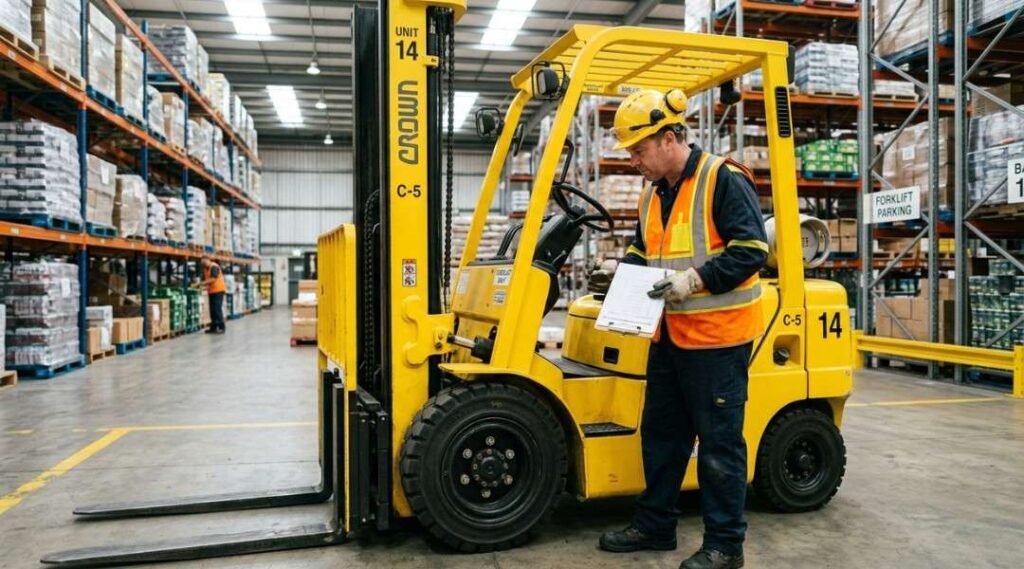
Forklift safety training is a mandatory program required by OSHA for anyone operating powered industrial trucks in the workplace.
It includes three key parts:
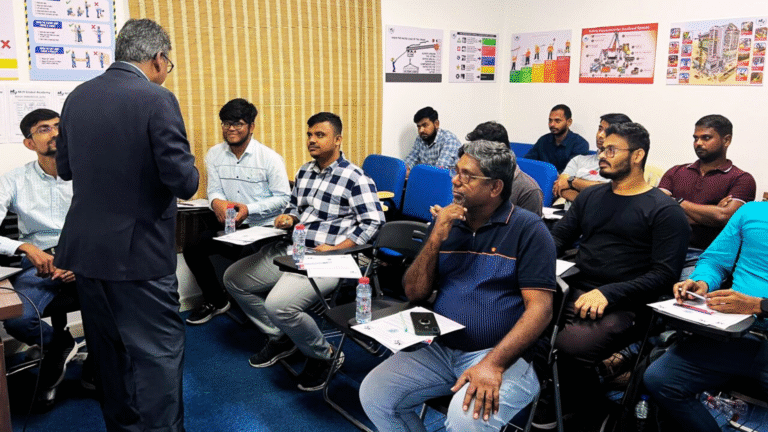
Classroom or online instruction
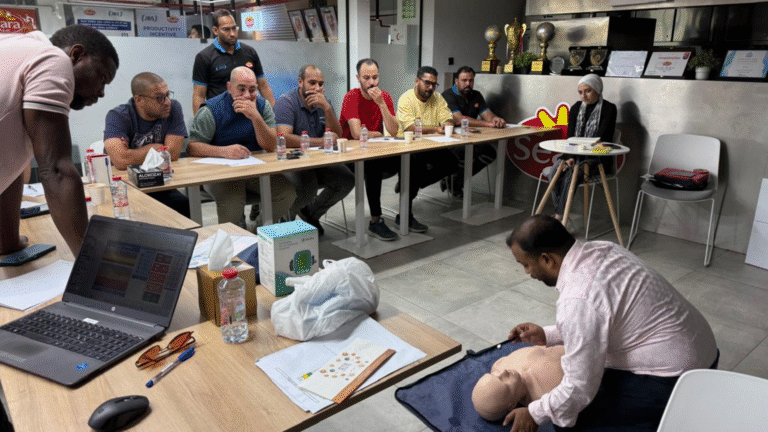
Hands-on practical training
A workplace performance evaluation
Unlike informal training or learning on the job, this process must be:
Documented
Evaluated
Approved by the employer
Without all three steps, the certification is not valid.
Why Forklift Training Matters More in 2026 Than Ever Before
The risk today is higher than ever—and there are clear reasons why.
According to the Bureau of Labor Statistics, forklift-related fatalities increased from 67 in 2023 to 84 in 2024. At the same time, over 25,000 nonfatal injuries were reported.
So what’s driving this?
1. More Inexperienced Workers
The rapid growth of warehouses and e-commerce has brought in a large number of new workers—many with little or no equipment experience.
2. Expired Certifications
Forklift certification must be renewed every three years. Many operators trained during the hiring surge of 2022–2023 are now overdue for recertification.
3. Poor Knowledge Retention
In many workplaces, operators complete training once and never revisit it. Over time, critical knowledge—like load capacity or safe maneuvering—is forgotten.
In fact, during safety checks, it’s common to find operators who cannot clearly explain their forklift’s limits. That’s not just a small gap—it’s a serious safety risk.
The 5-Stage Certification Framework: How Forklift Training Actually Works
Forklift certification is not a one-step process. It follows a structured system that ensures operators are truly competent.
Stage 1: Classroom Instruction
This is the theory part of training. Operators learn:
How forklifts work
Load stability principles
Hazard identification
OSHA regulations
This can be completed online or in person. Most programs take 4–8 hours.
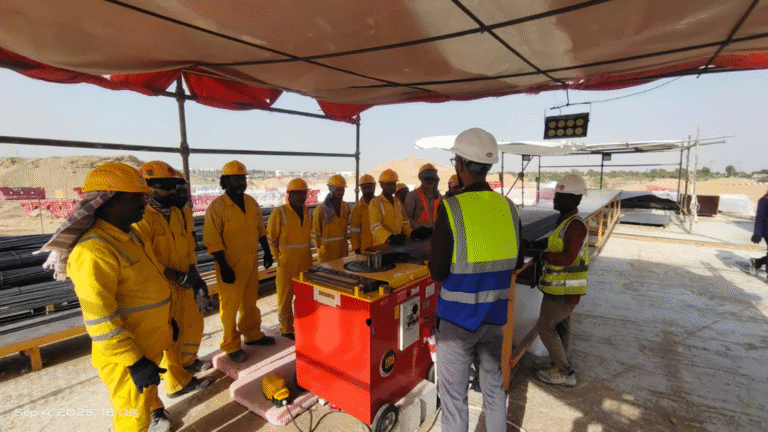
Stage 2: Hands-On Practice
This is where real learning happens.
Operators must:
Drive the forklift
Handle loads
Navigate tight spaces
Work around pedestrians
This training must be done on actual equipment, not simulations.
Stage 3: Performance Evaluation
A qualified trainer observes the operator in the real workplace.
They assess:
Safe operation
Awareness of surroundings
Ability to handle typical tasks
This step is required under OSHA standards and cannot be skipped.
Stage 4: Authorization and Documentation
After successful evaluation:
The employer signs off
Certification records are created
These documents are essential during safety inspections.
Stage 5: Renewal and Refresher Training
Certification is valid for three years, but retraining may be required sooner if:
An accident occurs
Unsafe behavior is observed
New equipment is introduced
Think of renewal as ongoing safety—not a one-time task.
Online vs. In-Person Forklift Training: Making the Right Choice
Many people ask: “Can I complete forklift training online?”
The honest answer is: partly yes—but not completely.
What Online Training Covers
Theory and safety principles
OSHA requirements
Basic knowledge
What It Does NOT Cover
Practical operation
Real-world hazards
Performance evaluation
When Online Training Works Best
Refresher courses
Experienced operators
Theory learning
When In-Person Training Is Essential
New operators
High-risk environments
Complex equipment
👉 The best approach is a combination of both.
Real Results: Who Benefits Most from Proper Training
When forklift safety training is done properly, the results are clear.
In one warehouse setup:
Incidents dropped significantly within a year
Pre-shift inspections improved dramatically
Maintenance issues were identified earlier
One major improvement came from something simple: daily inspection checks.
Before training, many operators skipped inspections. After training, compliance increased—and many potential accidents were prevented before they could happen.
5 Training Mistakes That Get People Hurt
These are the most common issues seen in workplace safety audits.
1. Skipping Site-Specific Training
Generic training is not enough. Operators must be trained for:
Your equipment
Your layout
Your risks
2. Letting Certifications Expire
Operating with expired certification is treated the same as having none.
OSHA penalties can be significant—and avoidable.
3. No Performance Evaluation
Completing theory without practical evaluation is incomplete training.
Both are required.
4. Training in the Wrong Language
Operators must fully understand the training.
If language is a barrier, safety is compromised.
5. Ignoring Near-Misses
Near-misses are early warning signs.
Ignoring them often leads to serious incidents later.
Frequently Asked Questions About Forklift Safety Training
Most people complete training within 1–2 days, including both theory and practical evaluation.
Online training covers theory only. Practical training and evaluation must be done in person.
Online: $30–$90
In-person: $150–$300
Group training: higher but cost-effective per person
No. A regular driving license is not required. Only proper training and evaluation are needed.
Every three years, or sooner if there are safety concerns or changes in the workplace.
What to Do Next
If you manage a workplace or operate forklifts, here are three simple steps:
1. Check Certification Status
Review all operator certifications and ensure none are expired.
2. Verify Practical Training
Make sure every operator has completed hands-on evaluation—not just online training.
3. Track Near-Misses
Start recording and reviewing near-misses. They are your best warning system.
Get Certified with Expert Training
If you’re looking for reliable and industry-recognized forklift safety training, M2Y Global Academy offers:
Expert-led training programs
Practical evaluation guidance
Flexible learning options
Certification support aligned with industry standards
Proper training doesn’t just help with compliance—it protects lives.
Final Thought
Forklift safety training is not just a requirement—it’s a responsibility.
When done right, it prevents accidents, saves costs, and most importantly, ensures that every worker goes home safe at the end of the day.