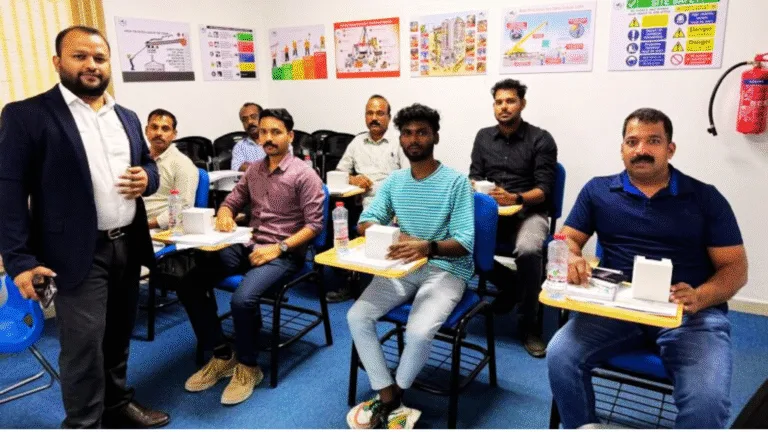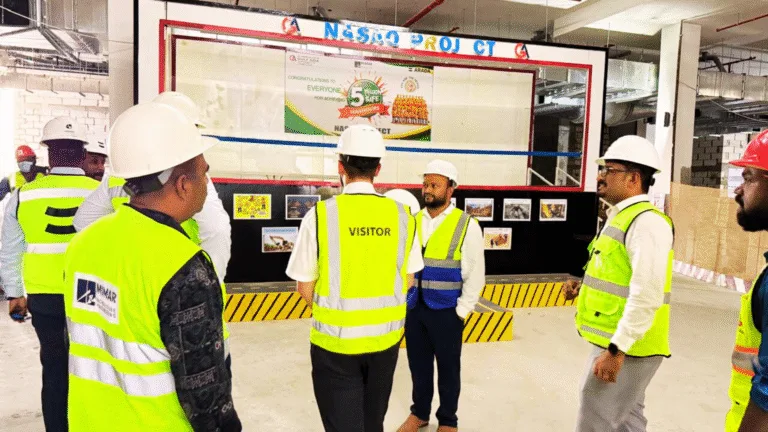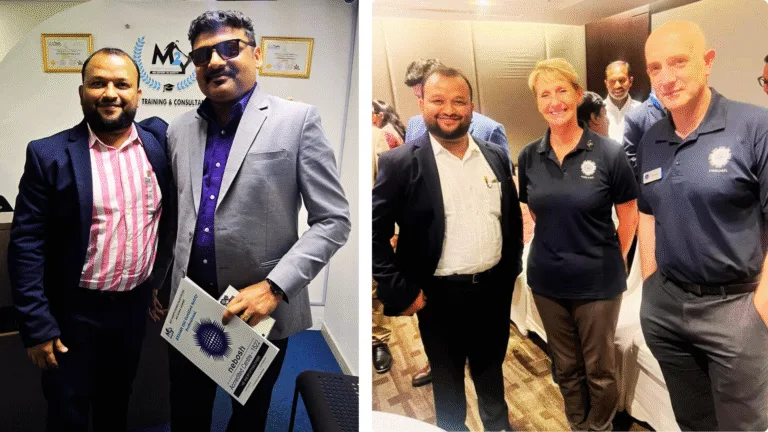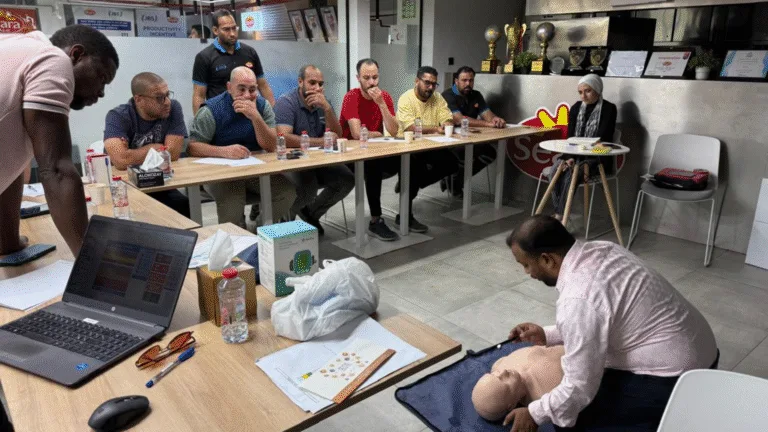
HSO Labor Accommodation Certification Training
20-Hour Comprehensive Training Program Approved by Dubai Municipality
M2Y Global Academy is an approved training provider for the Dubai Municipality Health and Safety Officer (HSO) certification scheme for labor accommodations (DM-HSD-GU131-CSLA2). Our comprehensive 20-hour training program prepares professionals to manage health, safety, hygiene, and welfare in worker housing facilities across the Emirate of Dubai.
Why Labor Accommodation HSO Certification Matters
Labor accommodations house thousands of workers across Dubai’s construction, manufacturing, and service industries. Ensuring these facilities meet health and safety standards is not just a regulatory requirement—it’s a moral obligation to protect worker welfare and dignity. Dubai Municipality mandates certified Health and Safety Officers for labor accommodations to ensure professional management of these critical facilities.
Legal Requirements for HSOs:
Dubai Municipality requires certified HSOs based on accommodation size:
| Accommodation Size | HSO Requirement | Training Obligation |
|---|---|---|
| Large: 101+ rooms | 2 HSOs Required | Both must be certified |
| Medium: 51-100 rooms | 1 HSO Required | Must be certified |
| Small: ≤50 rooms | Not Required | N/A |
Both permanent and temporary labor accommodations must comply with these requirements. Certificates must be retained on-site and presented to Dubai Municipality inspectors upon request.
Our Comprehensive 7-Module Training Program
M2Y Global Academy delivers the complete 20-hour curriculum mandated by Dubai Municipality, covering all aspects of labor accommodation health and safety management through seven specialized modules:
Module 1: Importance of Health and Safety in Labor Accommodations (3 hours)
Learning Objectives:
- Understand the critical impact of health and safety on worker well-being, productivity, and employer reputation
- Master legal requirements and regulations governing labor accommodation standards in Dubai
- Develop skills to identify potential risks and hazards within accommodation facilities
- Learn federal laws regarding crimes and punishments applicable to labor accommodations
- Comprehend the relationship between residential physical space and worker health outcomes
Key Topics Covered:
Impact on Worker Well-being:
- Physical health outcomes linked to accommodation quality
- Psychological effects of substandard housing
- Productivity correlation with living conditions
- Employee satisfaction and retention factors
- Social dynamics and community formation in accommodations
Legal Framework:
- Federal Law No. 8 of 1980 regulating work relations
- Federal Law No. 33 of 2021 on labor relations
- Cabinet Decision No. 13 of 2009 on labor accommodation standards
- Dubai Municipality Local Order No. 11 of 2003
- Administrative Resolution No. 44 of 2019 on service activities in workers’ housing
Risk and Hazard Identification:
- Overcrowding and inadequate space allocation
- Poor ventilation and air quality issues
- Inadequate sanitation and hygiene facilities
- Fire safety deficiencies
- Electrical hazards in residential settings
- Pest infestations and disease transmission risks
Space Standards and Health:
- Impact of inadequate bedroom spaces on sleep quality and health
- Minimum space requirements per occupant
- Common area requirements and ratios
- Recreation space importance for mental health
- Privacy considerations and personal space
Essential Building Systems:
- Effective pest control system requirements and management
- Satisfactory waste disposal systems and schedules
- Effective drainage systems maintenance and inspection
- Water quality management and testing
- Ventilation and air circulation standards
Training Methods: Interactive lectures, real accommodation facility case studies, video presentations of compliant and non-compliant facilities, group discussions on health impacts, and practical exercises in hazard identification using facility photos and layouts.
Module 2: Design and Layout of Labor Accommodations (3 hours)
Learning Objectives:
- Understand proper accommodation layout principles to minimize risks and optimize space
- Learn effective ventilation system requirements for indoor air quality
- Master water quality management and testing procedures
- Develop noise reduction strategies for residential environments
- Ensure adequate lighting and safe flooring throughout facilities
Key Topics Covered:
Layout Optimization:
- Room arrangement for efficient emergency evacuation
- Corridor width requirements and exit accessibility
- Separation of sleeping areas from high-risk zones
- Gender-segregated accommodation planning where required
- Accessibility for persons with disabilities
Ventilation and Air Quality:
- Natural ventilation requirements and window sizing
- Mechanical ventilation systems for rooms without external windows
- Air changes per hour standards for different spaces
- Prevention of air quality issues: mold, odors, pollutants
- Technical Guidelines (119) for Indoor Air Quality compliance
Water Quality Systems:
- Potable water supply requirements and standards
- Water storage tank specifications and maintenance
- Water testing procedures and frequency
- Legionella prevention in water systems (Technical Guidelines 44)
- Hot water supply requirements for hygiene
Noise Reduction:
- Location selection away from noise sources
- Sound insulation in building construction
- Quiet hours policies and enforcement
- Noise level limits in sleeping and common areas
- Mechanical equipment noise control
Lighting and Flooring:
- Adequate lighting levels for different areas (bedrooms, corridors, stairways, common areas)
- Emergency lighting requirements and placement
- Non-slip flooring in wet areas (bathrooms, kitchens, laundry)
- Floor maintenance for safety
- Outdoor pathway lighting for night safety
Recreational and Dining Facilities:
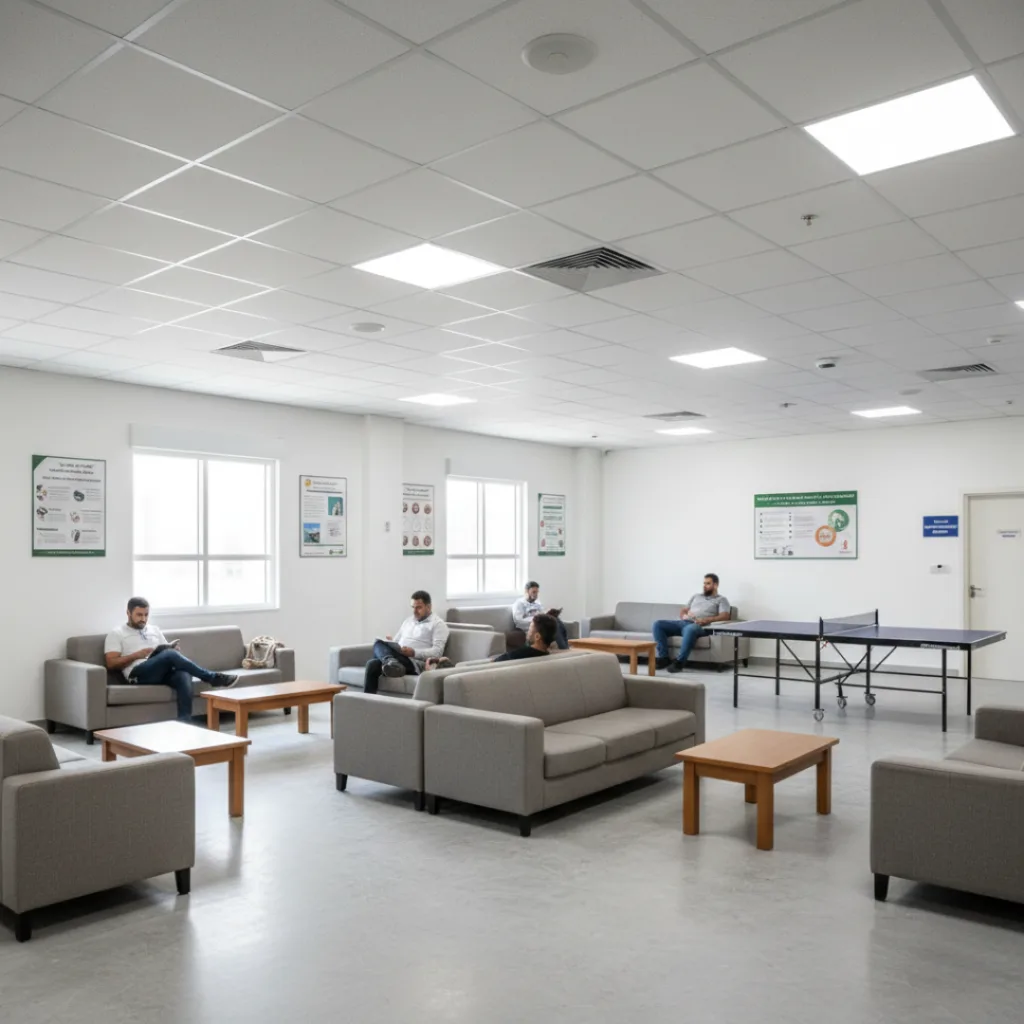
- Recreational facilities planning and activities provision
- Indoor recreation areas: TV lounges, prayer rooms, reading areas
- Outdoor recreation: sports courts, exercise areas, gardens
- Dining area capacity calculation based on occupant numbers
- Dining area layout for efficient service and cleanliness
- Kitchen facilities for self-catering accommodations
Training Methods: Facility layout plan analysis, ventilation system demonstrations (using diagrams and videos), water quality testing procedures (hands-on if possible), noise assessment exercises, lighting level measurements, and dining capacity calculations.
Module 3: Hygiene and Sanitation (3 hours)
Learning Objectives:
- Establish effective protocols for regular cleaning and maintenance
- Understand cleaning definitions, levels, and processes
- Implement green cleaning programs aligned with environmental standards
- Ensure proper waste management and disposal
- Maintain hygienic common areas, bathrooms, and rooms
Key Topics Covered:
Cleaning Fundamentals:
- Cleaning definitions and terminology
- Levels of cleanliness standards for different areas
- Cleaning processes and proper sequences
- Cleaning in order to prevent microbial growth
- Frequency requirements for different spaces
- Quality assurance and inspection procedures
Green Cleaning Program:
- Overview and purpose of green cleaning initiatives
- Environmental benefits and occupant health advantages
- Green cleaning materials policy and product selection
- Low environmental impact cleaning equipment
- Chemical reduction strategies
- Applying green cleaning according to Dubai specifications
Service Provider Management:
- Service provider participation and contract requirements
- Staffing levels and scheduling
- Janitorial training requirements and competency standards
- Supervision and quality monitoring
- Performance evaluation and accountability
Common Area Maintenance:
- Corridors, stairways, and entrance areas
- Toilets and bathroom facilities cleaning protocols
- Kitchen and dining area hygiene standards
- Laundry facilities maintenance
- Recreation areas upkeep
- Prayer rooms and special purpose spaces
Room Hygiene:
- Bedroom cleaning schedules and standards
- Linen provision and laundering
- Personal hygiene facilities in rooms
- Ventilation and air quality maintenance
- Storage areas organization
Waste Management:
- Waste segregation systems (general waste, recyclables, hazardous)
- Waste collection schedules and procedures
- Waste storage areas specifications
- Proper disposal methods and facilities
- Pest prevention through waste management
- Compliance with environmental regulations
Training Methods: Cleaning demonstrations (if facility available), cleaning product evaluation exercises, waste management system design activities, service provider contract review, facility inspection checklists practice, and hygiene audit simulations.
Module 4: Fire Safety and Emergency Preparedness (3 hours)
Learning Objectives:
- Ensure proper installation and maintenance of fire detection and suppression systems
- Understand LPG safety requirements and supply system management
- Conduct effective fire drills and training sessions
- Develop and implement emergency evacuation plans
- Prepare for various emergency scenarios beyond fire
Key Topics Covered:
Fire Detection and Suppression Systems:
- Smoke detectors: types, placement, and testing requirements
- Fire alarm systems: manual call points, sounders, control panels
- Fire extinguishers: types, placement, inspection, and maintenance
- Sprinkler systems in large accommodations
- Fire hose reels and standpipes
- Emergency lighting and exit signage
- System testing schedules and documentation
LPG Safety Management:
- Liquefied Petroleum Gas (LPG) cylinder storage requirements
- Safe handling and transportation of LPG cylinders
- LPG supply system installation and maintenance
- Leak detection and emergency response
- Technical Guidelines (53) compliance for LPG cylinders
- Alternative cooking fuel options and safety
Fire Drill Procedures:
- Fire drill planning and scheduling (minimum frequency)
- Drill announcement vs. unannounced drills
- Evacuation route and assembly point designation
- Occupant accountability procedures
- Drill evaluation and improvement identification
- Documentation and record-keeping
- Special considerations for night-shift workers
Emergency Evacuation Plans:
- Evacuation plan development specific to accommodation layout
- Primary and secondary evacuation routes
- Assembly point selection and management
- Evacuation for persons with disabilities
- Night-time evacuation procedures
- Coordination with emergency services
- Post-evacuation accountability and roll call
Emergency Response Training:
- Fire warden roles and responsibilities
- First responder actions before fire service arrival
- Evacuation assistance for occupants
- Communication during emergencies
- Fire service liaison upon arrival
- Post-emergency procedures and incident reporting
Beyond Fire Emergencies:
- Medical emergencies and first aid response
- Security incidents and threats
- Natural disasters (flooding, storms)
- Utility failures (power, water)
- Chemical spills or hazardous material incidents
- Emergency communication systems
Training Methods: Fire safety equipment demonstrations, evacuation plan development exercises, fire drill scenario planning, LPG safety videos and case studies, emergency communication practice, and tabletop emergency exercises.
Module 5: Public Safety / Occupational Health and Medical Facilities (4 hours)
Learning Objectives:
- Ensure electrical safety throughout accommodation facilities
- Maintain safe equipment, furniture, and activity areas
- Implement proper food preservation and storage practices
- Manage chemical storage safely
- Provide appropriate medical facilities and first aid capabilities
- Prevent transmission of infectious diseases
Key Topics Covered:
Electrical Safety:
- Electrical system installation standards
- Regular inspection and testing requirements
- Portable appliance testing (PAT)
- Overloading prevention and circuit protection
- Safe use of extension cords and adaptors
- Electrical hazard awareness for occupants
- Emergency electrical shut-off procedures
Equipment and Furniture Safety:
- Furniture stability and quality standards
- Bed frame and mattress specifications
- Safe equipment in common areas
- Regular inspection and maintenance schedules
- Replacement of damaged or unsafe items
- Ergonomic considerations for furniture
Activity Areas and Dining Room Safety:
- Recreation area hazard prevention
- Sports equipment safety and maintenance
- Dining room layout for safe movement
- Seating capacity and spacing requirements
- Kitchen equipment safety where provided
- Slip, trip, and fall hazard prevention
Preservation and Storage Area Safety:
- Food storage facilities (if provided)
- Temperature control for perishables
- Pest prevention in storage areas
- Chemical storage separation from food
- Personal belongings storage security
- Flammable material storage requirements
Chemical Storage Safety:
- Cleaning chemical storage specifications
- Separation and segregation requirements
- Spill containment and cleanup procedures
- Safety Data Sheets (SDS) availability
- Chemical safety training for staff
- Proper labeling and inventory
Medical Facilities Requirements:
- First aid room specifications for large accommodations
- First aid box contents and placement
- First aid box inspection and restocking
- Isolation room for infectious cases
- Medical waste disposal procedures
- Privacy and dignity in medical areas
First Aid and Medical Response:
- First aid techniques: CPR, bleeding control, burn treatment, fracture management
- First aider training and certification requirements
- Emergency medical services contact procedures
- Medical record documentation and confidentiality
- Chronic illness management support
- Mental health first aid awareness
Infectious Disease Prevention:
- Transmission of infectious illnesses/diseases among workers
- Common infectious diseases in shared accommodations
- Prevention measures: hygiene, ventilation, vaccination
- Isolation protocols for infected workers with borne diseases
- Contact tracing and monitoring procedures
- Coordination with health authorities
- COVID-19 and pandemic preparedness protocols
Quality Control and Indoor Environment:
- Quality control measures for health and safety
- Indoor chemical and pollutant source control
- Air quality monitoring and improvement
- Water quality testing and treatment
- Surface sanitation and disinfection
- Occupational health surveillance programs
Training Methods: Electrical safety demonstrations, first aid practice (using mannequins), chemical safety handling exercises, infectious disease case studies, medical facility setup planning, and occupational health program development.
Module 6: Psychological and Emotional Well-being (2 hours)
Learning Objectives:
- Create supportive and inclusive accommodation environments
- Identify and address mental health concerns among workers
- Promote healthy behaviors and lifestyle choices
- Support worker dignity and psychological safety
- Encourage preventive health practices
Key Topics Covered:
Creating Supportive Environments:
- Promoting respect and dignity for all occupants
- Inclusive accommodation policies (diversity, cultural sensitivity)
- Anti-discrimination and anti-harassment measures
- Grievance mechanisms and complaint procedures
- Conflict resolution and mediation
- Community building activities and social programs
- Cultural and religious accommodation (prayer facilities, dietary considerations)
Mental Health Awareness:
- Common mental health concerns in migrant worker populations
- Signs of depression, anxiety, and stress
- Homesickness and family separation impacts
- Financial stress and its psychological effects
- Workplace stress spillover to living environment
- Stigma reduction around mental health
- Accessible mental health resources and referrals
Personal Hygiene Promotion:
- Personal hygiene practices for disease prevention
- Handwashing facilities and promotion campaigns
- Shower and bathroom hygiene standards
- Oral hygiene awareness
- Personal cleanliness and laundry facilities
- Hygiene education for new occupants
Substance Use and Health:
- Effects of passive smoking on health and safety
- Smoke-free accommodation policies
- Smoking designated areas management
- Alcohol prohibition policies (if applicable)
- Substance abuse awareness and support
- Health impacts of tobacco and alcohol use
Preventive Health Promotion:
- Encouraging regular health check-ups
- Vaccination programs and requirements
- Health screening on arrival and periodically
- Nutrition and healthy eating awareness
- Physical activity and exercise promotion
- Sleep hygiene and rest importance
- Access to healthcare services information
Training Methods: Mental health awareness videos, case study discussions on supporting workers, role-playing for difficult conversations, health promotion campaign planning, and inclusive environment assessment exercises.
Module 7: Management Role in Labor Accommodations (2 hours)
Learning Objectives:
- Understand comprehensive management responsibilities
- Conduct effective health and safety training for staff and occupants
- Facilitate open communication and feedback systems
- Build accountability culture among all stakeholders
- Prepare for Dubai Municipality inspections
- Maintain compliant documentation and records
Key Topics Covered:
Management Responsibilities:
- Overall accountability for accommodation health and safety
- Resource allocation for safety and welfare programs
- Policy development and implementation
- Staff supervision and performance management
- Continuous improvement culture
- Stakeholder communication (employers, workers, authorities)
Health and Safety Training Programs:
- Conducting regular training sessions for accommodation staff
- Occupant orientation and safety briefings
- Fire safety and emergency evacuation training
- Hygiene and sanitation education
- Health awareness programs
- Training documentation and attendance records
- Refresher training schedules
Communication and Feedback:
- Facilitating open communication channels for workers
- Suggestion boxes and feedback mechanisms
- Regular meetings with occupant representatives
- Multilingual communication strategies
- Grievance reporting and resolution procedures
- Management accessibility and responsiveness
- Safety concern reporting without fear of retaliation
Accountability Culture:
- Encouraging responsibility among all occupants
- House rules development and enforcement
- Consequences for violations
- Positive reinforcement for compliance
- Peer accountability programs
- Staff responsibility clarification
Task Clarification:
- Clarifying tasks assigned to each employee within accommodation
- Job descriptions for HSOs, supervisors, cleaners, security, maintenance
- Delegation of responsibilities
- Authority and decision-making levels
- Coordination between different staff roles
- Performance expectations and evaluation
System Assessment:
- Identifying shortcomings or deficits in accommodation management systems
- Internal audits and self-assessment procedures
- Gap analysis against Dubai Municipality standards
- Corrective action planning and implementation
- Management review meetings
- Continuous improvement initiatives
Inspection Preparedness:
- Understanding Dubai Municipality inspection processes
- Conducting regular internal inspections
- Self-assessment using Dubai Municipality criteria
- Corrective action implementation before inspections
- Documentation organization and accessibility
- Staff preparation for inspector interviews
- Post-inspection follow-up procedures
Documentation and Record-keeping:
- Maintaining up-to-date documentation for regulatory presentations
- Required records: occupancy, certifications, inspections, training, incidents, maintenance
- Document retention requirements
- Digital and physical filing systems
- Privacy and data protection compliance
- Record accessibility for authorized personnel
- Audit trails and version control
Training Methods: Management system development exercises, inspection preparation simulations, documentation review activities, communication strategy planning, accountability culture case studies, and role-specific task planning.
Examination and Certification
Examination Format:
- 30 multiple-choice questions covering all 7 modules
- Passing score: Minimum 20 out of 30 (67%)
- Duration: Allocated time based on certification body procedures
- Conducted by: EIAC-accredited certification bodies
- Supervised conditions: Trained invigilators ensure exam integrity
Examination Content Distribution:
Questions are drawn from all seven modules, with emphasis on:
- Legal requirements and regulatory compliance
- Fire safety and emergency response
- Hygiene and sanitation standards
- Health and medical facilities
- Management responsibilities
Certification Details:
- Certificate validity: 3 years from date of issuance
- Issued by: EIAC-accredited certification body
- Includes: HSO name, photograph, certification number, issue date, expiry date
- Registration: Certificate registered with Dubai Municipality Health and Safety Department
- Recertification: Required before end of third year through recertification examination
Training Delivery Options
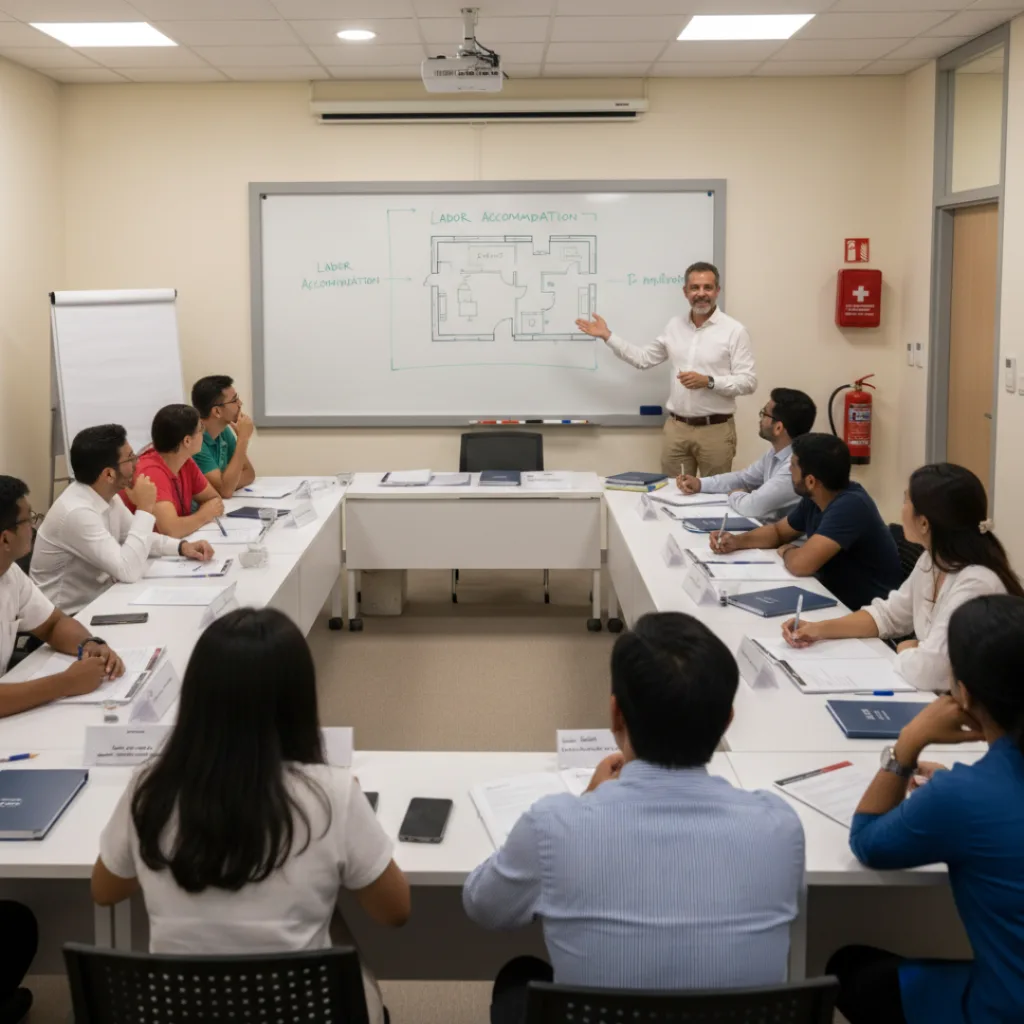
Option 1: 4-Day In-Person Intensive Training
Schedule: 5 hours per day over 4 consecutive days Format: Classroom-based instruction at M2Y Global Academy training center Includes:
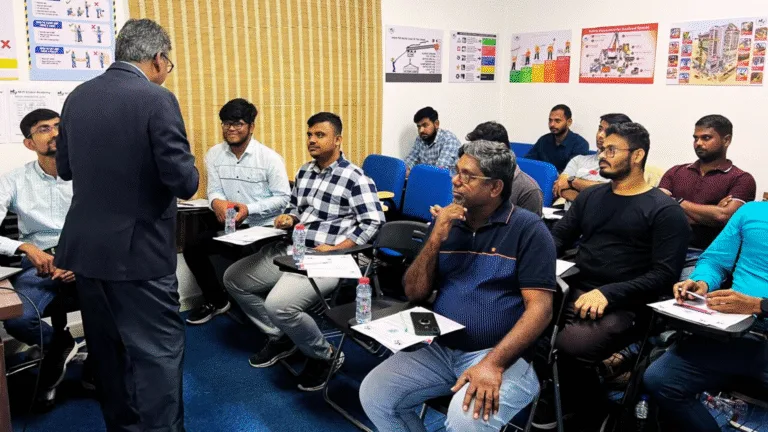
- Interactive lectures with expert instructors
- Hands-on demonstrations and practical exercises
- Group discussions and case study analysis
- Course materials in chosen language
- Light refreshments and lunch
- Examination on Day 5 (morning)
Benefits:
- Face-to-face interaction with instructors
- Networking with other HSO candidates
- Immediate questions and answers
- Structured learning environment
Price: AED 1,000 (includes training and examination)
Option 2: 2-Week Online Live Virtual Training
Schedule: 2 hours per day over 10 days (2 weeks) Format: Live interactive sessions via video conferencing platform Includes:
- Real-time instruction from expert trainers
- Screen sharing and visual presentations
- Live Q&A sessions
- Digital course materials
- Recorded sessions for review
- Online examination at end of program
Benefits:
- Learn from anywhere with internet connection
- Flexible timing (morning or evening sessions available)
- Recorded sessions for revision
- Reduced time away from work
Price: AED 1,000 (includes training and examination)
Option 3: Self-Paced Online Training + Examination
Schedule: Complete at your own pace within 30 days Format: Pre-recorded video modules accessible 24/7 Includes:
- 20+ hours of video instruction
- Downloadable course materials
- Module quizzes for self-assessment
- Discussion forum with instructor support
- Scheduled examination at certification body center
Benefits:
- Ultimate flexibility in study schedule
- Review difficult topics multiple times
- Learn at your own speed
- Cost-effective option
Price: AED 800 (training) + AED 200 (examination) = AED 1,000 total
Option 4: Customized Corporate Training
Schedule: Flexible based on your organization’s needs Format: On-site training at your labor accommodation or office Includes:
- Training customized to your specific accommodation facilities
- Site-specific examples and case studies
- Minimum 10 participants
- All course materials
- Examination arrangements
Benefits:
- Convenient for large groups
- Minimal travel time for participants
- Training relevant to your actual facilities
- Team building among your HSO staff
Price: Contact us for custom quote based on group size and requirements
Multilingual Training Excellence
M2Y Global Academy delivers HSO training in multiple languages to serve Dubai’s diverse workforce:
Available Languages:
✓ Arabic – Comprehensive training with native Arabic instructors
✓ English – Standard business English instruction
✓ Urdu – Full training materials and instruction
✓ Hindi – Complete course delivered by Hindi-speaking trainers
✓ Bengali – Available upon request with minimum enrollment
✓ Tagalog – Available upon request with minimum enrollment
Language-Specific Features:
- Course materials translated by professional translators
- Native or fluent instructors for each language
- Examination available in your training language
- Cultural context and examples relevant to language group
- Q&A and discussion in comfortable language
Expert Instructors
Our HSO training is delivered by certified instructors who meet Dubai Municipality requirements:
Instructor Qualifications:
- Health and Safety Education: Degree, Diploma, or Advanced Certificate in Environmental/Public Health/Safety or Health Science (minimum 6 months duration)
- Professional Certifications: NEBOSH, IOSH, or equivalent recognized qualifications
- Experience: Minimum 2 years in health and safety in accommodation management, consultancy, or regulatory roles
- Teaching Qualifications: Certificate/Degree in Education or certified Train the Trainer
- Certification: Certified by EIAC-accredited certification body as HSO trainers
- Language Skills: Fluency in training delivery language
- Continuing Professional Development: Regular participation in workshops, conferences, and professional development
Instructor Experience Includes:
- Labor accommodation management and operations
- Dubai Municipality inspection processes
- Health and safety regulatory compliance
- Accommodation design and facility management
- Fire safety and emergency response
- Occupational health and hygiene
- Worker welfare programs
What's Included in Your Training
Course Materials:
✓ Comprehensive training manual (200+ pages) covering all 7 modules
✓ Dubai Municipality regulation summaries and reference guides
✓ Technical Guidelines relevant to labor accommodations (TG 44, 53, 85, 119, 124, 46)
✓ Inspection checklists and self-assessment tools
✓ Sample emergency plans and procedures
✓ Case studies from actual Dubai labor accommodations
✓ Quick reference cards for key requirements
Learning Resources:
✓ Visual presentations and video demonstrations
✓ Facility layout examples and design templates
✓ Fire safety equipment identification guides
✓ Hygiene and sanitation standards checklists
✓ Health and medical facility requirements summaries
✓ Management system templates and forms
Assessment Tools:
✓ Module quizzes to test understanding
✓ Practice examination questions
✓ Mock examination simulating actual test
✓ Self-assessment exercises
✓ Knowledge checks throughout training
Post-Training Support:
✓ 30-day instructor email support after course completion
✓ Access to updated regulation information
✓ Recertification reminders and renewal support
✓ Alumni network for ongoing professional development
✓ Consultation on specific accommodation challenges
Examination:
✓ Registration with EIAC-accredited certification body
✓ Examination fees included in course price
✓ Examination scheduling assistance
✓ Exam preparation review session
✓ Certificate processing and collection
Success Rate and Outcomes
Our Track Record:
- 95% first-attempt pass rate for students completing full training program
- 500+ HSOs certified through M2Y Global Academy since program inception
- 4.8/5 average student rating for training quality and instructor effectiveness
- 100% compliance with Dubai Municipality training requirements
Student Success Stories:
“The training was comprehensive and practical. The instructor used many real examples from labor accommodations which helped me understand requirements better. I passed my exam with 27/30!” – Ahmed K., HSO at large construction labor camp
“Training in Hindi made all the difference for me. I could ask questions comfortably and understand everything clearly. Now I’m confident managing our accommodation health and safety.” – Rajesh M., HSO at manufacturing company accommodation
“M2Y Global Academy prepared us well for the examination. The course materials were excellent and the mock exam helped me know what to expect. Highly recommended!” – Fatima A., HSO at service company dormitory
Who Should Attend?
Ideal Candidates:
- Facility managers responsible for labor accommodations
- Accommodation supervisors and coordinators
- HR personnel managing worker housing
- Camp managers at construction and industrial sites
- Health and safety officers assigned to labor accommodation duties
- Contractors and employers providing worker housing
- Anyone requiring HSO certification to meet Dubai Municipality requirements
Career Benefits:
✓ Meet mandatory legal requirement for HSO positions
✓ Enhance professional qualifications in facility management
✓ Increase job opportunities in accommodation management field
✓ Improve knowledge of worker welfare and health standards
✓ Demonstrate commitment to ethical treatment of workers
✓ 3-year certification provides job security
✓ Competitive salary advantage with professional certification
Enroll Today
Registration Process:
- Select your preferred training option (in-person, online live, or self-paced)
- Choose your language for training and examination
- Complete online registration form or contact our admissions office
- Make payment (AED 1,000 all-inclusive)
- Receive course access and pre-course materials
- Attend training on scheduled dates
- Take examination with certification body
- Receive your HSO certificate and Dubai Municipality registration
Payment Options:
- Credit/debit card payment online
- Bank transfer to M2Y Global Academy account
- Cash payment at training center
- Corporate invoicing available for companies enrolling multiple participants
Group Enrollment Benefits:
- 5-9 participants: Complimentary consultation on your accommodation facilities
- 10-19 participants: 5% discount + on-site training option
- 20+ participants: 10% discount + customized training + post-training site visit
Additional Services
Pre-Training Facility Assessment (Optional):
For companies enrolling HSOs, we offer optional facility assessments:
- Site visit to your labor accommodation
- Gap analysis against Dubai Municipality standards
- Identification of compliance issues
- Corrective action recommendations
- Preparation for Dubai Municipality inspections
Price: AED 2,500 for facilities up to 100 rooms; AED 4,000 for larger facilities
Post-Training Consultation (Optional):
After certification, we provide ongoing support:
- Implementation assistance for health and safety programs
- Documentation review and template provision
- Inspection preparation support
- Emergency plan development
- Monthly retainer consultation packages available
Price: AED 500 per consultation hour; package rates available
Contact M2Y Global Academy
Ready to become a certified Health and Safety Officer for Labor Accommodations?
Phone: +971 585861522 Email: info@m2ysafety.com Website: https://m2ysafety.com/
Office Hours:
- Saturday – Thursday: 8:00 AM – 6:00 PM
- Friday: Closed
Free Information Session: Attend our free monthly information session to learn more about:
- HSO certification requirements
- Training program details
- Examination process
- Career opportunities
- Q&A with certified instructors
Invest in worker welfare. Advance your career. Get certified at M2Y Global Academy.