OSHA Certification in India
The Complete 2025 Guide to Courses, Fees & Career Impact
Every year, thousands of Indian safety professionals type the same question into Google: “Is OSHA valid in India?” And every year, they get a dozen half-answers that dance around what they actually need to know.
So let’s fix that right now.
OSHA certification in India has quietly become one of the most career-defining credentials in the safety industry — not just for professionals dreaming of Gulf or North America jobs, but for engineers and supervisors right here on Indian soil. Whether you’re a fresh diploma holder or a seasoned HSE officer with 10 years on construction sites, this guide gives you the unfiltered truth about OSHA courses in India, fees, formats, and what the certification actually does (and doesn’t) do for your career.
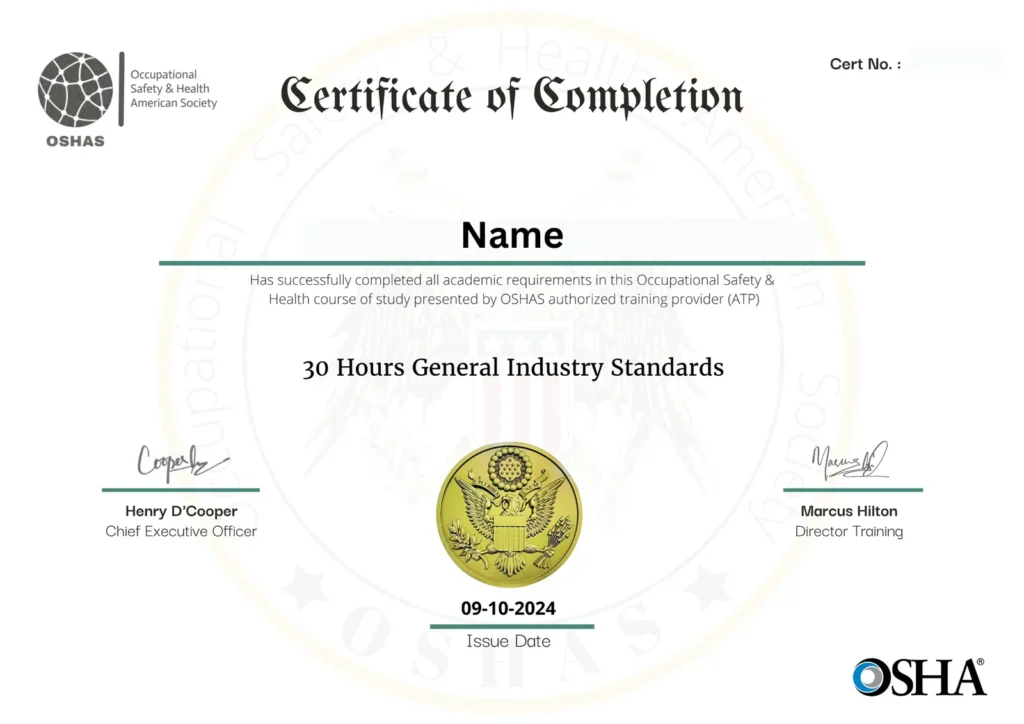
What Is OSHA Certification — and Why Does India Care?
OSHA certification is a structured training program built on the standards of the Occupational Safety and Health Administration, a U.S. federal agency established in 1970 under the Department of Labor. Its mission: ensure workers go home safe. OSHA training has become highly valuable for professionals seeking global safety roles, especially in industries like oil and gas, construction, and manufacturing, with certifications widely respected in multinational environments.
But here’s the thing most Indian professionals don’t realise until too late: India has its own workplace safety framework. India’s safety regulations are primarily overseen by the Directorate General of Factory Advice Service & Labour Institutes (DGFASLI) and the Ministry of Labour and Employment, with key regulations including the Factories Act of 1948 and the Mines Act of 1952.
So why does OSHA matter in India at all? Because global employers — particularly in the Middle East, Southeast Asia, and multinational plants across India — don’t ask for your Factories Act knowledge. They ask for your OSHA card.
OSHA certification in India is a globally recognised safety qualification that demonstrates competency in hazard identification, risk control, and compliance with international occupational health standards. It bridges the gap between India’s domestic safety framework and what multinational employers expect — making it valuable for construction, oil and gas, manufacturing, and engineering professionals seeking domestic or international roles.
Why OSHA Training in India Is Having a Moment Right Now
Something shifted in 2024–2025. Safety training in India stopped being a checkbox and started becoming a competitive advantage.
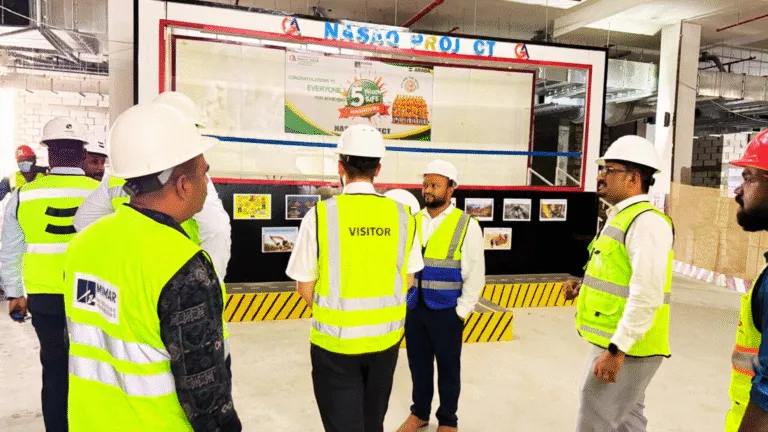
Three forces drove this change. First, India’s infrastructure boom — highways, metro projects, industrial corridors — created tens of thousands of new HSE officer roles almost overnight. Second, Indian manufacturing companies supplying to global clients started getting audited against international safety standards. Fail the audit, lose the contract. Third, Middle East employers — especially in Saudi Arabia and the UAE — began specifically listing OSHA 30-hour certification as a requirement, not a preference.
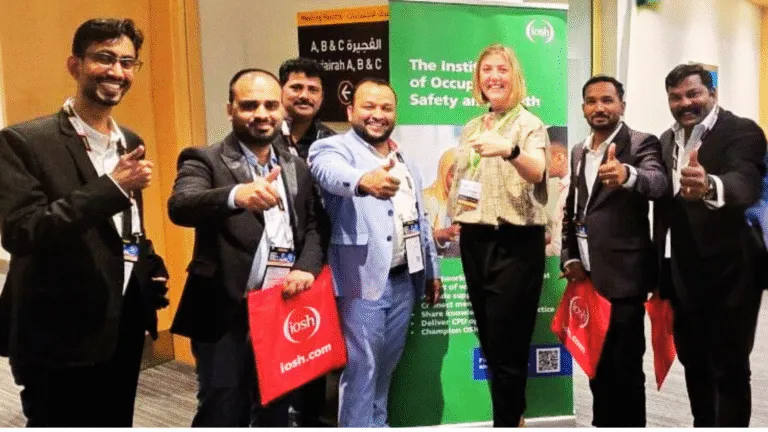
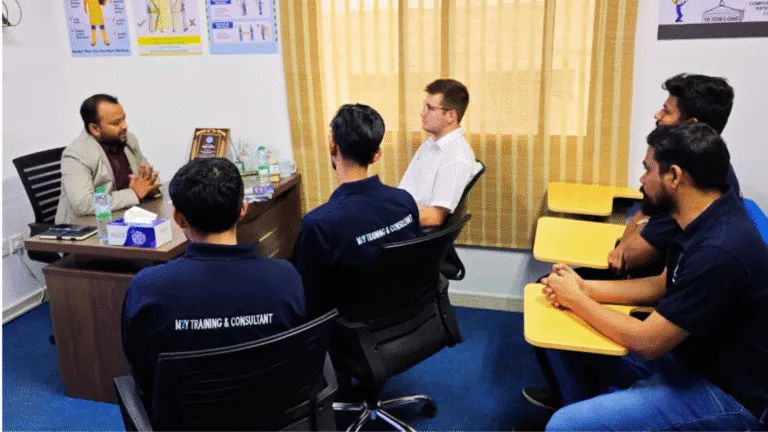
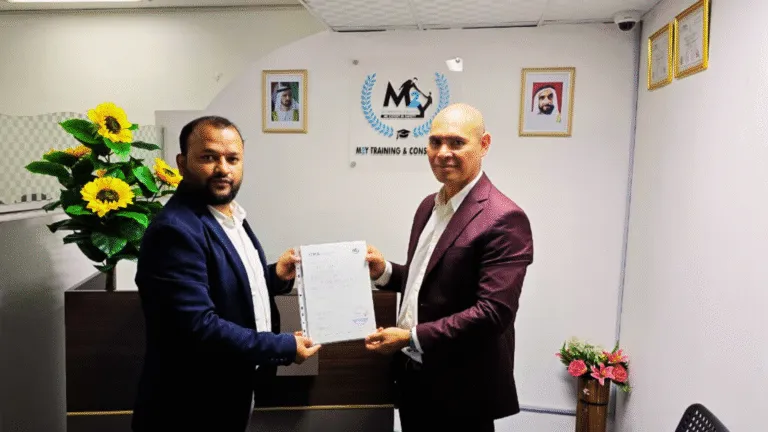
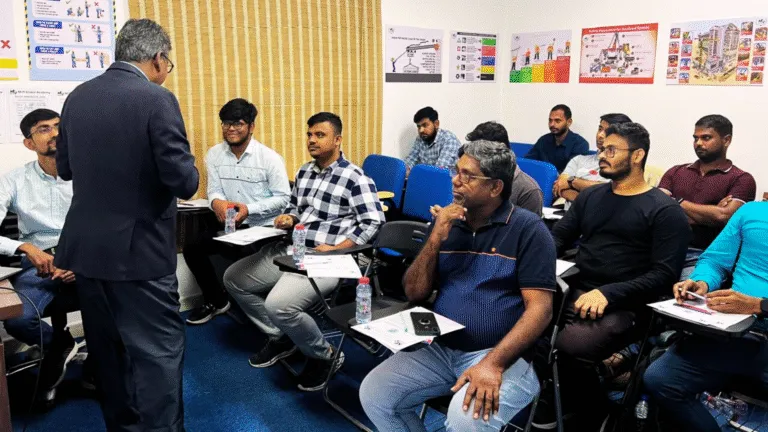
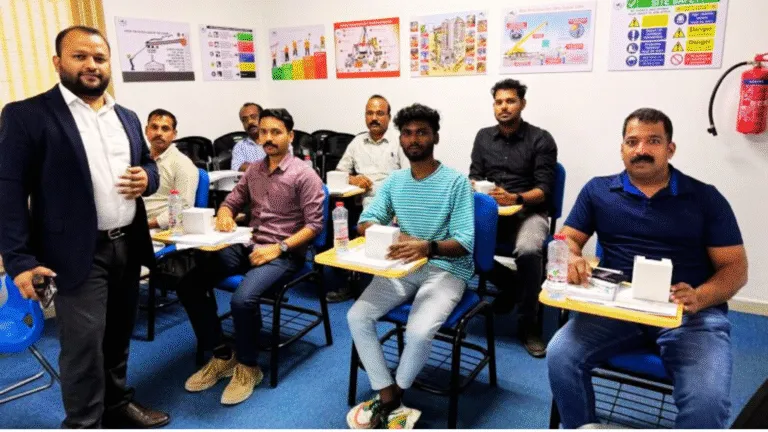
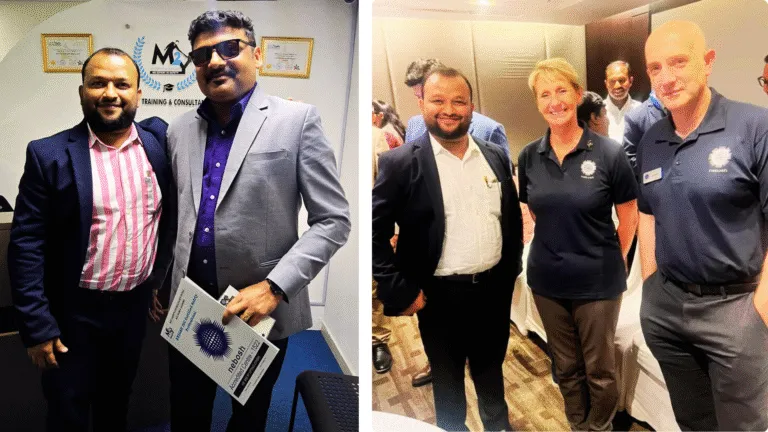
M2Y Global Academy, a trusted name in international safety training, offers globally recognised OSHA Certification programs led by industry experts with years of on-site experience in QHSE management — with accredited international partnerships, expert trainers holding NEBOSH, IOSH, and CSP credentials, and virtual and classroom sessions with flexible timing. M2Y Global Academy
The result? OSHA training in India went from niche to mainstream in under three years. And professionals who got certified early? They’re now the ones reviewing your CV.
OSHA Courses in India: What's Actually Available
Not all OSHA courses are the same. And this is where most articles completely fail you — they list course names without telling you which one actually fits your situation.
Here’s how to think about it:
OSHA 10-Hour Course — This is the entry-level option. It’s designed for workers who need hazard awareness, not deep compliance knowledge. Think: construction labourers, factory floor supervisors, new safety recruits. Duration is 10 contact hours, typically completed across two days. It demonstrates foundational understanding of OSHA regulations.
OSHA 30-Hour Course — This is the one that changes careers. The OSHA 30-hour Construction Safety and Health Course is designed to equip supervisors and workers with the knowledge and skills to identify, avoid, and prevent hazards — tailored for those in supervisory roles such as foremen, safety directors, and field supervisors. There’s also a 30-hour General Industry variant for manufacturing, logistics, healthcare, and warehousing professionals. This is the qualification employers in the Gulf, North America, and Indian multinationals actually ask to see.
OSHA 48-Hour Courses — Available for oil and gas and construction specialisations. Deeper, more technical, and increasingly requested by upstream energy sector employers.
Train-the-Trainer Programs — Specialised programs that prepare experienced professionals to become authorised OSHA outreach trainers, combining the 30-hour course with advanced OSHA 510 and 500 modules, qualifying graduates to teach OSHA 10 and 30-hour courses and issue official cards.
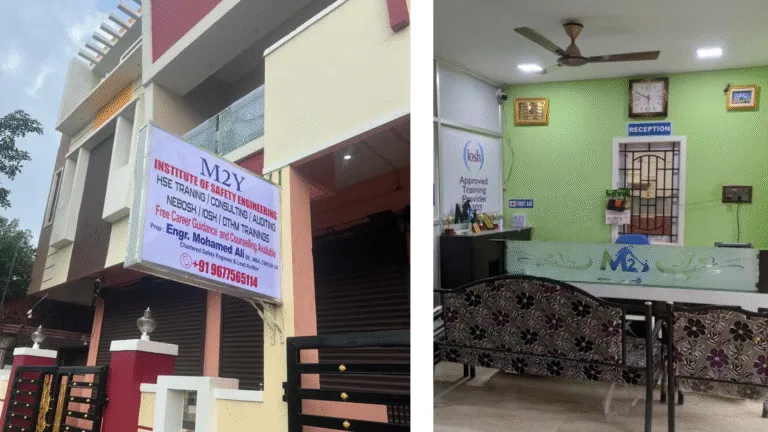
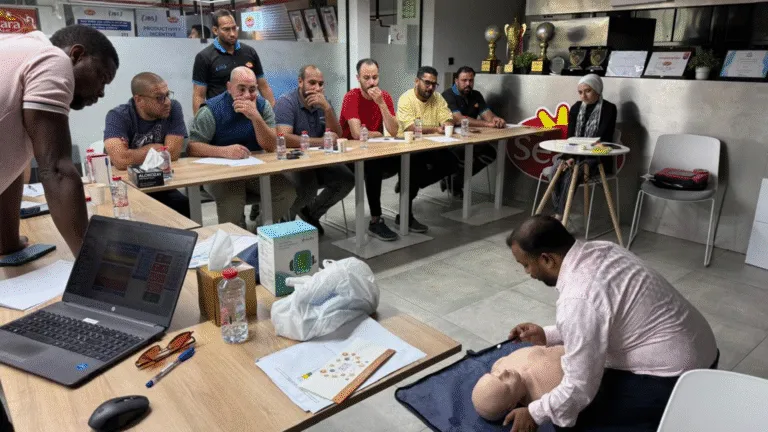
M2Y Global Academy offers the full suite — from OSHA 10-hour through to the 132-hour Construction Safety Train-the-Trainer programme — delivered both virtually and in classroom format, making it accessible whether you’re in Chennai, Mumbai, or a remote project site.
OSHA Course Fees in India
Okay, let’s talk money. Because this is where the internet gets evasive and you deserve straight answers.
OSHA course fees in India vary based on the provider, delivery format (online vs. classroom), and course level. Prices for OSHA courses in India range from approximately INR 1,000 to INR 59,200 depending on the course type and provider. Laimoon
Here’s a more grounded breakdown based on 2025 market rates:
- OSHA 10-Hour (Construction or General Industry): INR 8,000 – INR 15,000
- OSHA 30-Hour (Construction or General Industry): INR 18,000 – INR 25,000
- OSHA 48-Hour (Oil & Gas or Construction): INR 25,000 – INR 35,000
- Train-the-Trainer Programs: INR 15,000 – INR 20,000
Online formats typically cost 20–35% less than classroom training. Group enrolments often unlock further discounts — worth asking about if your organisation is sending three or more people.
One thing competitors won’t tell you: the certification card itself has a separate fee component. A course completion card is included in training costs, updated periodically in line with standard pricing practices, and group enrolments may qualify for discounts from certain training providers. OSHA.com
At M2Y Global Academy, fee structures are transparent and include the certification issuance — no surprise add-ons after you’ve completed your 30 hours.
OSHA 30-Hour Training in India: What to Expect Step by Step
You’ve decided the 30-hour course is right for you. Smart choice. Here’s exactly what the process looks like.
Step 1: Choose Your Track Construction or General Industry — pick based on your current or target sector. If you work in factories, warehousing, or logistics, go General Industry. If you’re on project sites or infrastructure, choose Construction.
Step 2: Enrol with an Accredited Provider It is crucial to enrol in an OSHA certification course offered by an accredited provider — reputable training institutes or organisations that are authorised to deliver OSHA-certified courses. HSE STUDY GUIDE M2Y Global Academy’s programmes are delivered in collaboration with internationally recognised accrediting bodies, with trainers who hold NEBOSH, IOSH, and CSP credentials.
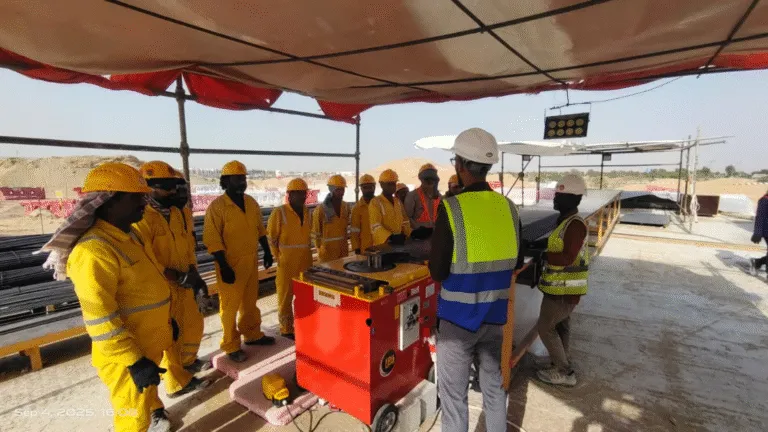
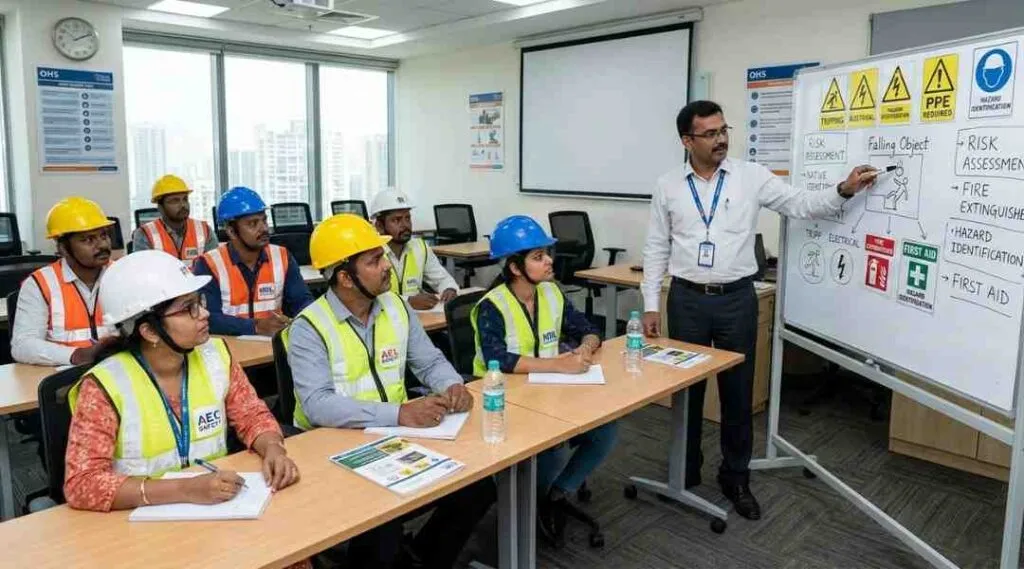
Step 3: Complete the Training Hours Minimum 30 contact hours — spread across multiple sessions. Most providers offer weekend or evening batches specifically for working professionals. You’ll cover topics including fall protection, hazard communication, electrical safety, PPE, scaffolding, confined spaces, and emergency action plans.
Step 4: Clear the Assessment Learners are assessed via MCQ (Multiple Choice Questions) format after completing the required learning hours. Securing a minimum of 70% is considered a pass and processed for certification — learners who do not pass may retake the assessment. Greenwgroup
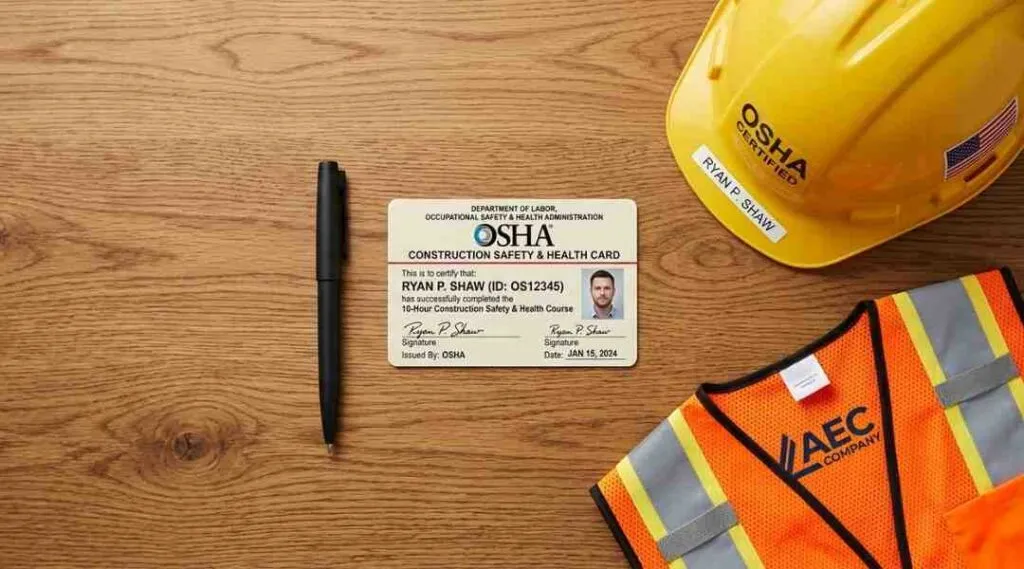
Step 5: Receive Your OSHA Card Upon passing, you receive your internationally recognised OSHA certification card. Keep it safe — Gulf employers, Indian multinationals, and international construction firms will ask to see it.
OSHA vs. Local Indian Safety Certifications: An Honest Comparison
Here’s a contrarian opinion I’ve held for years, and I’ll stand by it: OSHA doesn’t replace your Indian safety qualifications — it amplifies them.
Too many professionals treat OSHA certification as a replacement for knowledge of India’s own safety regulations. That’s a mistake. Professionals trained in both sets of standards can ensure comprehensive compliance with national and international regulations, opening a wider range of career opportunities in both local and global markets.
Think of it this way:
| Qualification | Best For | Recognised Where |
|---|---|---|
| OSHA 30-Hour | International employers, Gulf projects | Middle East, North America, Multinationals |
| NEBOSH IGC | Senior HSE roles, global corporations | UK, Europe, Global |
| DGFASLI / Factories Act | Compliance in Indian regulated industries | India domestic |
| ISO 45001 Internal Auditor | OHS management systems | Globally, India corporates |
The professionals earning the highest salaries in 2025–2026 aren’t choosing one — they’re stacking OSHA with either NEBOSH or ISO 45001 knowledge. OSHA skills combined with additional safety expertise often add 20–30% salary value, and OSHA serves best as a foundation and practical entry point rather than a ceiling on its own.
Real Career Impact: What OSHA Certification Does for Indian Professionals
Let me be specific, because vague career advice helps no one.
A safety officer in Chennai with 3 years’ experience and an OSHA 30-hour card typically sees their CV shortlisted for Gulf roles at 2–3x the rate compared to equivalent professionals without it. Indian EPC companies bidding on Saudi Aramco or ADNOC projects now include OSHA-certified staff counts in their technical bids — meaning your certification directly affects whether your employer wins contracts.
For domestic roles, the shift is equally real. Large Indian conglomerates in automotive manufacturing, pharmaceuticals, and FMCG are aligning their safety management systems with ISO 45001, which dovetails naturally with OSHA’s hazard identification and risk assessment framework. Both Indian standards and OSHA emphasise the importance of hazard identification and risk assessment, and OSHA guidelines complement the requirements under ISO 45001, which many Indian companies follow for Occupational Health and Safety Management Systems. NISHE
Who benefits most from OSHA training in India:
- Construction supervisors, foremen, and site engineers targeting Gulf or international projects
- Safety officers in manufacturing, oil and gas, and logistics
- Fresh HSE diploma holders looking for a globally credible first certification
- HR and compliance managers in multinational manufacturing units
- Professionals planning to transition into safety consulting
Who should probably start elsewhere: If you’re in a purely domestic role governed by Indian state-level factory regulations with no international exposure plans, an OSHA 30-hour course is still valuable but not urgent. A DGFASLI-recognised qualification or state-level safety officer certification might give you faster local traction first.
Frequently Asked Questions About OSHA in India
OSHA is a U.S. regulatory body, so it carries no legal mandate in India. However, it's widely accepted by multinational employers operating in India and is often required for Indian professionals working on Gulf and international projects. It's internationally recognised, not legally mandatory domestically.
The OSHA 30-hour training in India consists of a minimum 30 contact hours of instruction. Most providers spread this across 4–6 days for classroom formats or offer self-paced online completion. Weekend and evening batches are common for working professionals.
OSHA course fees in India typically range from INR 8,000 for a 10-hour programme to INR 35,000+ for advanced 48-hour courses. The OSHA 30-hour course generally costs between INR 18,000 and INR 25,000 depending on the provider and format. Online options are usually 20–35% less expensive than classroom delivery.
Yes. Most accredited providers including M2Y Global Academy offer virtual instructor-led and self-paced online formats. These are legitimate and issue the same internationally recognised certification as classroom training.
OSHA course completion cards don't technically "expire," but many employers treat them as outdated after 3–5 years. Periodic refresher training is strongly recommended to stay current with updated standards and to signal ongoing professional development to employers.
For career advancement, yes. OSHA 10-hour is foundational awareness training. The OSHA 30-hour certification demonstrates supervisory-level competency and is the credential employers in construction, oil and gas, and manufacturing actually specify in job descriptions.
The OSHA 48-hour Oil and Gas Industry course is the most targeted option, covering process safety, confined spaces, H2S awareness, and fire hazards specific to upstream and downstream operations. The OSHA 30-hour General Industry course is a strong alternative for professionals earlier in their career.
Look for providers with documented international accreditation partnerships, trainers with verifiable credentials (NEBOSH, IOSH, CSP), and transparent certification issuance processes. Avoid providers who cannot clearly explain which body issues the final certification card.
OSHA in India
Here’s what it comes down to, practically speaking:
OSHA certification in India won’t magically double your salary overnight — anyone promising that is selling you something. But it will open doors that stay firmly shut for equally experienced professionals who don’t have it. It will make your CV visible in Gulf job searches. It will satisfy client audit requirements your employer can’t currently meet. And it will give you a framework for hazard thinking that genuinely makes workplaces safer.
Three things matter most as of 2026:
First: Choose the right course level. If you’re targeting international roles or supervisory positions, the OSHA 30-hour training in India is your minimum viable credential — don’t waste time on the 10-hour as your headline qualification.
Second: Don’t stop at OSHA. Stack it with NEBOSH, ISO 45001 awareness, or incident investigation competencies. That combination is what the top-tier HSE roles actually require.
Third: Pick a provider with real credentials. M2Y Global Academy’s OSHA certification programmes are led by QHSE experts with genuine on-site experience — not just classroom theory — which makes the difference when you’re sitting across from a hiring manager who can immediately tell the difference.
Ready to get started? Explore M2Y Global Academy’s OSHA certification programmes and speak to a course advisor about which track fits your career stage.