Health and Safety Courses
Everything You Need to Know in 2026
In today’s fast-paced industries, ensuring workplace safety is more than a regulatory requirement — it’s a commitment to employee wellbeing and organizational sustainability. Health and safety courses are essential for professionals who aim to create a safe work environment, reduce workplace hazards, and comply with legal standards.
Whether you’re a fresher aiming to start your career in safety or a professional looking to upgrade your credentials, understanding the different types of health and safety training can help you choose the right path.
What Are Health and Safety Courses?
Health and safety courses are structured training programs designed to educate individuals on workplace hazards, occupational health standards, risk management, emergency procedures, and safety regulations. These courses can vary from beginner-level certifications to advanced diplomas recognized internationally.
They are often accredited by reputed bodies such as:
NEBOSH (National Examination Board in Occupational Safety and Health)
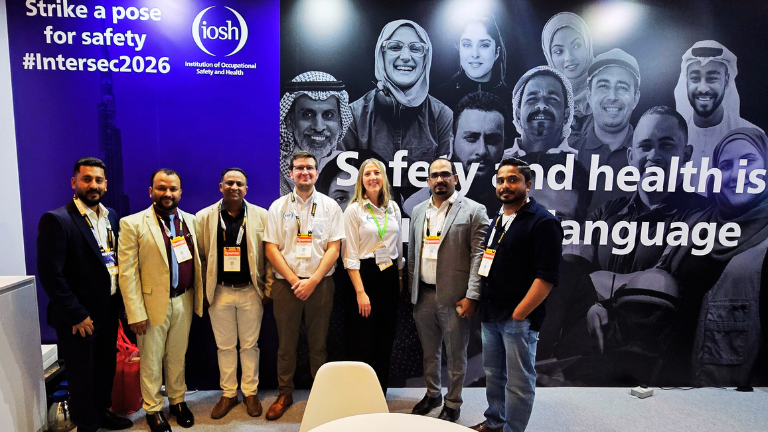
IOSH (Institution of Occupational Safety and Health)
OSHA (Occupational Safety and Health Administration)
ProQual, CPD, RoSPA, and others
Popular Health and Safety Courses in 2026
Here’s a list of top courses available for safety training:
1. NEBOSH IGC (International General Certificate)
Duration: 30–45 days (online/flexible)
Recognized globally
Best for: Beginners and aspiring safety officers
2. IOSH Managing Safely
Duration: 3–5 days
Ideal for team leaders and managers
Focuses on risk control and responsibility
3. OSHA 30-Hour Certification
US-based standard for general and construction industry safety
Focuses on hazard identification and mitigation
4. Fire Safety Training
Covers fire prevention, fire extinguisher types, and evacuation
Essential in high-risk industries like oil & gas, logistics, hospitals
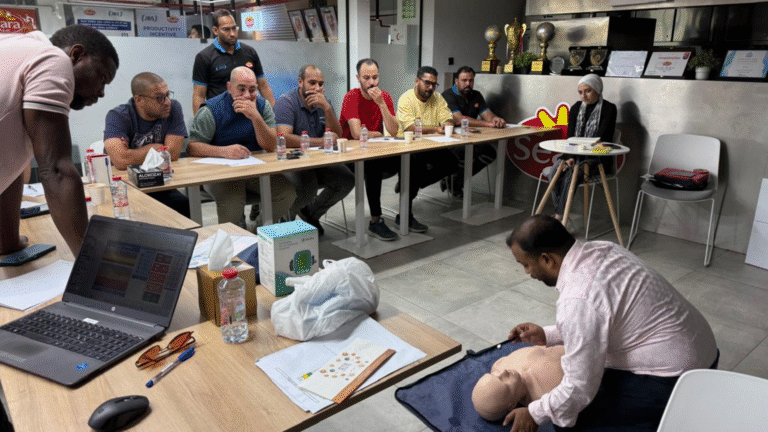
5. First Aid & Emergency Response
CPR, emergency care, and onsite first aid techniques
Critical for workplaces with high injury risk
6. ProQual Level 6/7 Diplomas
UK-accredited advanced diplomas
For those aiming to become HSE Managers or Consultants
7. Hazard Identification & Risk Assessment (HIRA)
Focus on identifying workplace risks and implementing controls
Useful for safety supervisors and engineers
8. Confined Space & Permit to Work Training
For roles in utilities, construction, and industrial environments
Who Should Take Health and Safety Courses?
These courses are suitable for:
Freshers aiming for a safety officer role
Supervisors and site managers
Construction and oil & gas workers
Manufacturing, logistics, and facility managers
HSE (Health, Safety, Environment) officers
Professionals seeking career change to the safety domain
Industries That Require Safety Certification
Health and safety training is mandatory or highly recommended in the following sectors:
✅ Oil & Gas
✅ Construction
✅ Manufacturing
✅ Warehousing & Logistics
✅ Chemicals & Pharmaceuticals
✅ Healthcare
✅ Aviation
✅ IT & Office-based jobs (for fire safety and ergonomics)
Course Format: Online vs. Classroom Training
| Training Type | Features | Ideal For |
|---|---|---|
| Online Training | Flexible, cost-effective, self-paced | Working professionals |
| Classroom | Face-to-face interaction, guided learning | Beginners and practical learners |
| Hybrid (Blended) | Online theory + Offline assessment | International certifications |
✅ Benefits of Health and Safety Courses
Improved Job Opportunities: Certifications like NEBOSH and OSHA open doors globally, especially in Gulf countries, Canada, and Europe.
Legal Compliance: Helps organizations comply with safety laws and avoid penalties.
Increased Workplace Safety: Reduces accidents, boosts productivity.
Career Growth: Helps in promotions and role upgrades to HSE Manager or Consultant.
Personal Development: Enhances decision-making, leadership, and emergency response skills.
🎓 Eligibility for Health and Safety Courses
Most entry-level courses require:
Basic understanding of English
Minimum 10th/12th pass (for NEBOSH and OSHA)
Some advanced diplomas may require work experience in HSE roles
There are no strict prerequisites for foundational programs like:
IOSH Managing Safely
OSHA 30-Hour
First Aid, Fire Safety, and HIRA
International Recognition of Health & Safety Certifications
| Certification Body | Globally Recognized In |
|---|---|
| NEBOSH | UK, UAE, Saudi Arabia, India, Canada, Africa |
| IOSH | UK, Middle East, Asia |
| OSHA | USA, Canada, UAE, India, Philippines |
| ProQual | UK and globally recognized for diploma levels |
Career Opportunities After Health and Safety Courses
After completing relevant training, candidates can apply for roles like:
Safety Officer / Executive
HSE Supervisor
Safety Auditor
Risk Assessor
Fire Safety Trainer
Construction Safety Officer
Offshore Safety Manager
Environmental Health & Safety (EHS) Manager
With higher qualifications like NEBOSH Diploma or ProQual Level 7, professionals can work as:
HSE Consultants
Lead Auditors
Compliance Managers
Safety Trainers
How Much Do Health and Safety Courses Cost?
Here’s a rough price range (as of 2026):
| Course | Approx. Fee in INR |
|---|---|
| Fire & First Aid Training | ₹3,000 – ₹6,000 |
| OSHA 30-Hour Certification | ₹15,000 – ₹25,000 |
| IOSH Managing Safely | ₹18,000 – ₹25,000 |
| NEBOSH IGC | ₹45,000 – ₹60,000 |
| NEBOSH Diploma / ProQual L6/7 | ₹1,25,000 – ₹1,50,000 |
💬 Many training institutes offer EMI, scholarships, or corporate packages for groups.
How to Choose the Right Safety Course?
Here are 5 tips:
Know your industry – Different courses suit construction, oil & gas, or office setups.
Decide your career level – Fresher? Go for NEBOSH IGC or IOSH. Experienced? Try a diploma.
Check global recognition – Choose a course that’s valid in the country you want to work in.
Verify trainer/institute credibility – Ensure they are accredited (e.g., NEBOSH Learning Partner).
Budget and time – Opt for flexible, affordable online programs if you’re working.
✅ Frequently Asked Questions (FAQs)
The NEBOSH International General Certificate (IGC) is highly recommended for beginners in the safety field.
Yes, many certifications like NEBOSH, OSHA, and IOSH offer online and blended learning options.
NEBOSH, IOSH, and OSHA certifications are widely recognized across the Middle East, UK, USA, and other regions.
It depends on the course – short trainings (2–5 days), NEBOSH IGC (30–45 days), advanced diplomas (3–6 months).
Final Thoughts
Health and safety courses are essential for building a secure, compliant, and productive work environment. Whether you’re an aspiring safety officer, a manager responsible for safety protocols, or simply want to upgrade your professional profile, enrolling in an accredited safety course can be a smart investment in 2026.
Ready to begin? Choose the right course, register with an accredited provider, and take your first step toward becoming a qualified safety professional.